





PLC Wiring Best Practices for Panel Builders

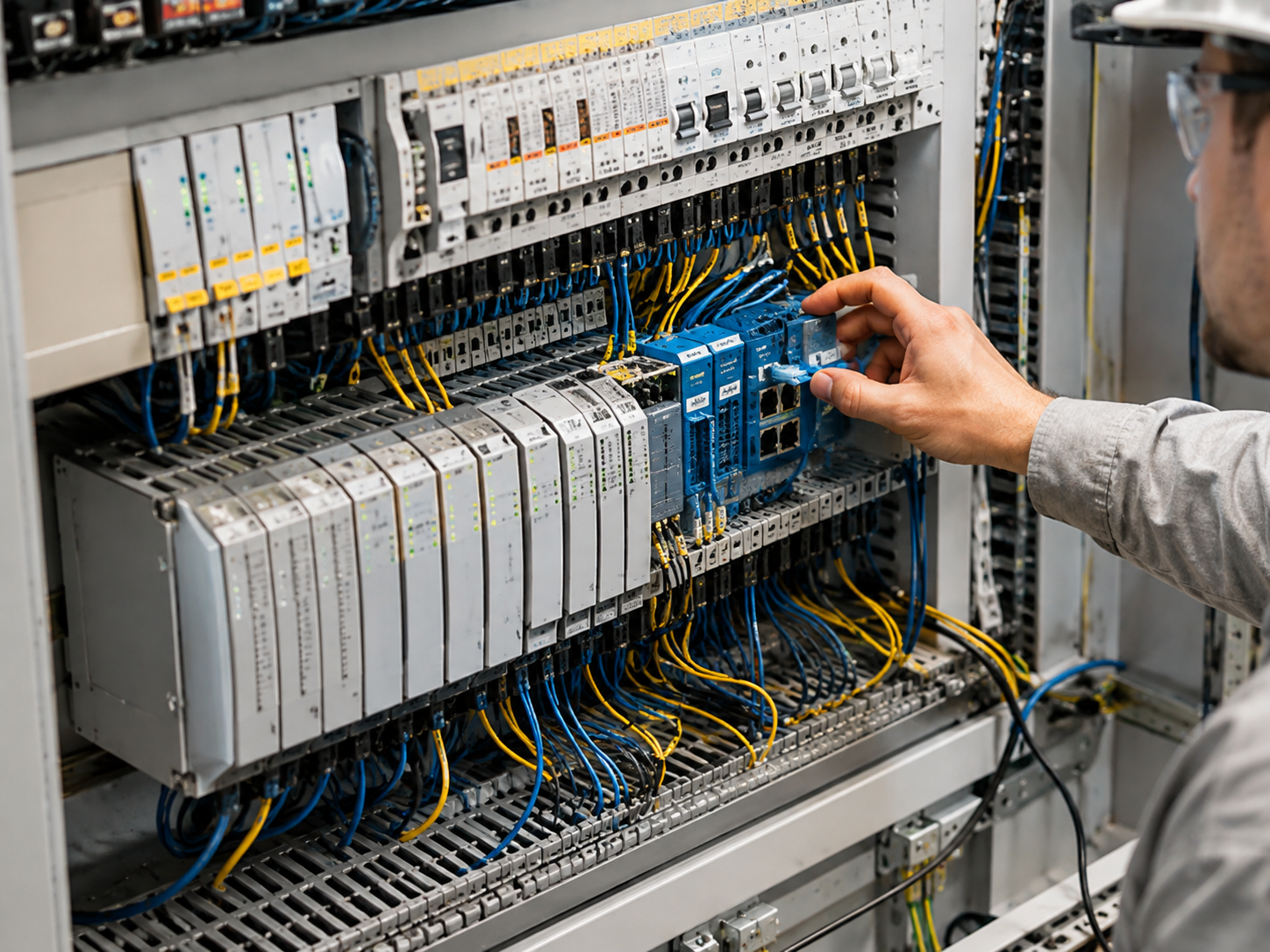
Learn essential PLC wiring practices for building cleaner, safer, more reliable, and easier-to-maintain industrial control panels.
PLC Wiring Best Practices for Panel Builders
Good PLC wiring is one of the foundations of a reliable industrial control system.
Poor wiring can create communication problems, electrical noise, incorrect signals, difficult troubleshooting, and unexpected machine downtime.
Plan Before Wiring
Prepare an electrical schematic before beginning panel assembly.
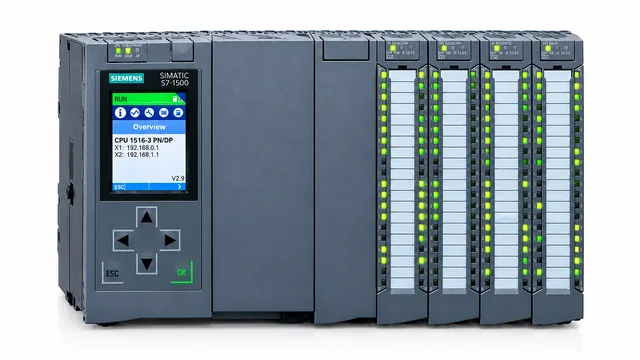
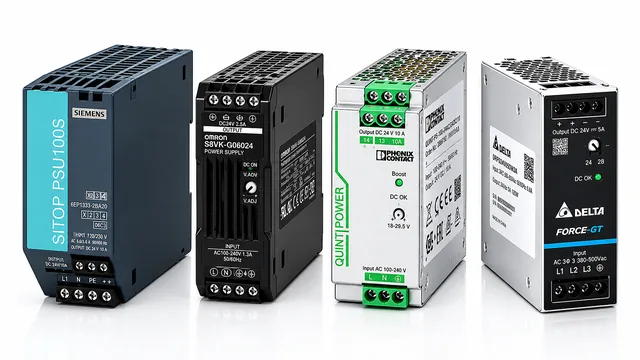
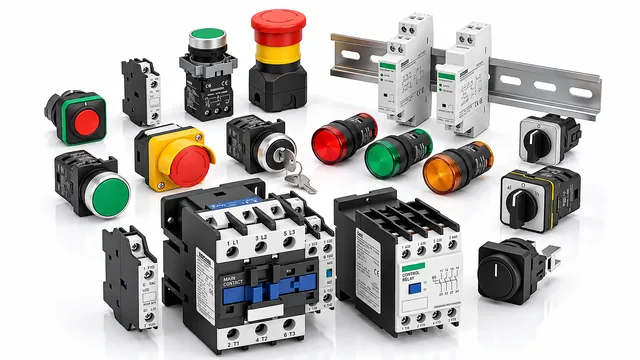
Clearly identify power supplies, PLC modules, terminals, relays, contactors, sensors, communication devices, motors, and grounding connections.
Separate Power and Signal Wiring
High-voltage power cables should be separated from low-voltage control and communication wiring whenever possible.
This helps reduce electrical interference that can affect analog signals, sensors, PLC communication, and network connections.
Use Proper Cable Identification
Every wire should have a clear label corresponding to the electrical drawing.
Proper labeling dramatically reduces troubleshooting time during installation, commissioning, and future maintenance.
Ground the System Correctly
Correct grounding improves electrical safety and helps reduce interference.
PLC panels should follow the grounding recommendations provided by equipment manufacturers and applicable electrical standards.
Maintain Clean Cable Management
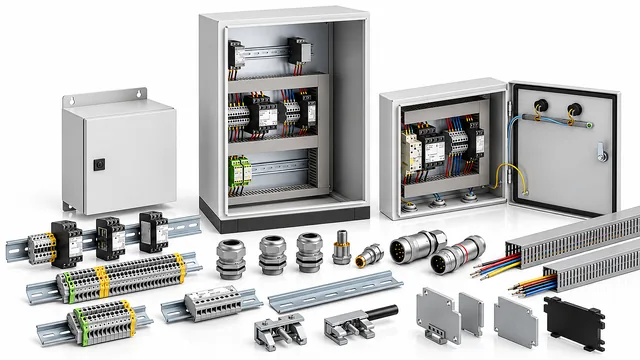
Use wiring ducts, terminal blocks, cable ties, and appropriate routing to keep the control panel organized.
Leave adequate space between components for airflow, maintenance, and future expansion.
Test Before Commissioning
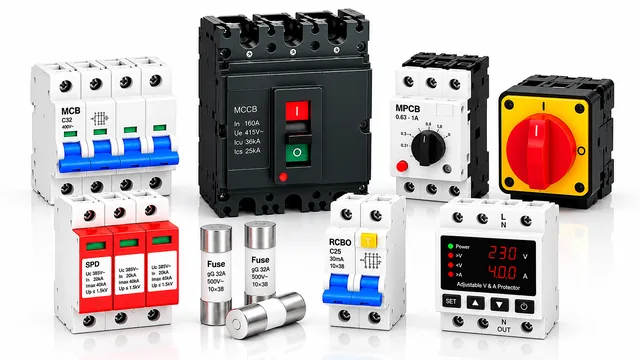
Before powering the complete system, inspect all connections and verify supply voltages, polarity, grounding, terminal tightness, I/O wiring, communication wiring, and protective devices.
Professional PLC panel wiring makes the system safer, easier to troubleshoot, and more reliable throughout its operational life.