Understanding Sensors in Automation

Understand how industrial sensors detect position, distance, pressure, temperature, and other process conditions in modern automation systems.
Understanding Sensors in Automation
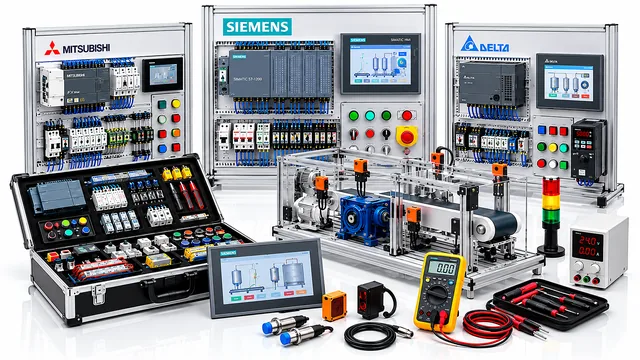
Sensors are essential components of industrial automation systems because they allow machines and controllers to detect what is happening in the physical environment.
They convert real-world conditions into electrical signals that PLCs and other controllers can process.
Proximity Sensors
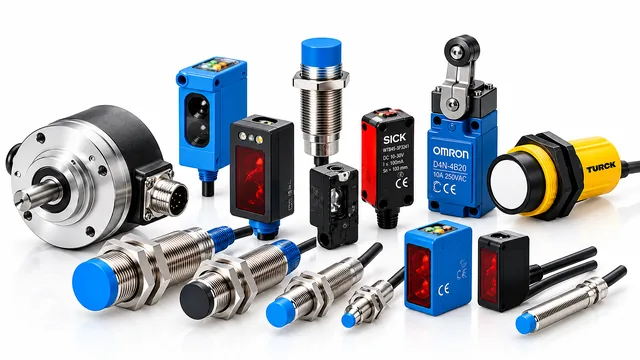
Proximity sensors detect objects without physical contact.
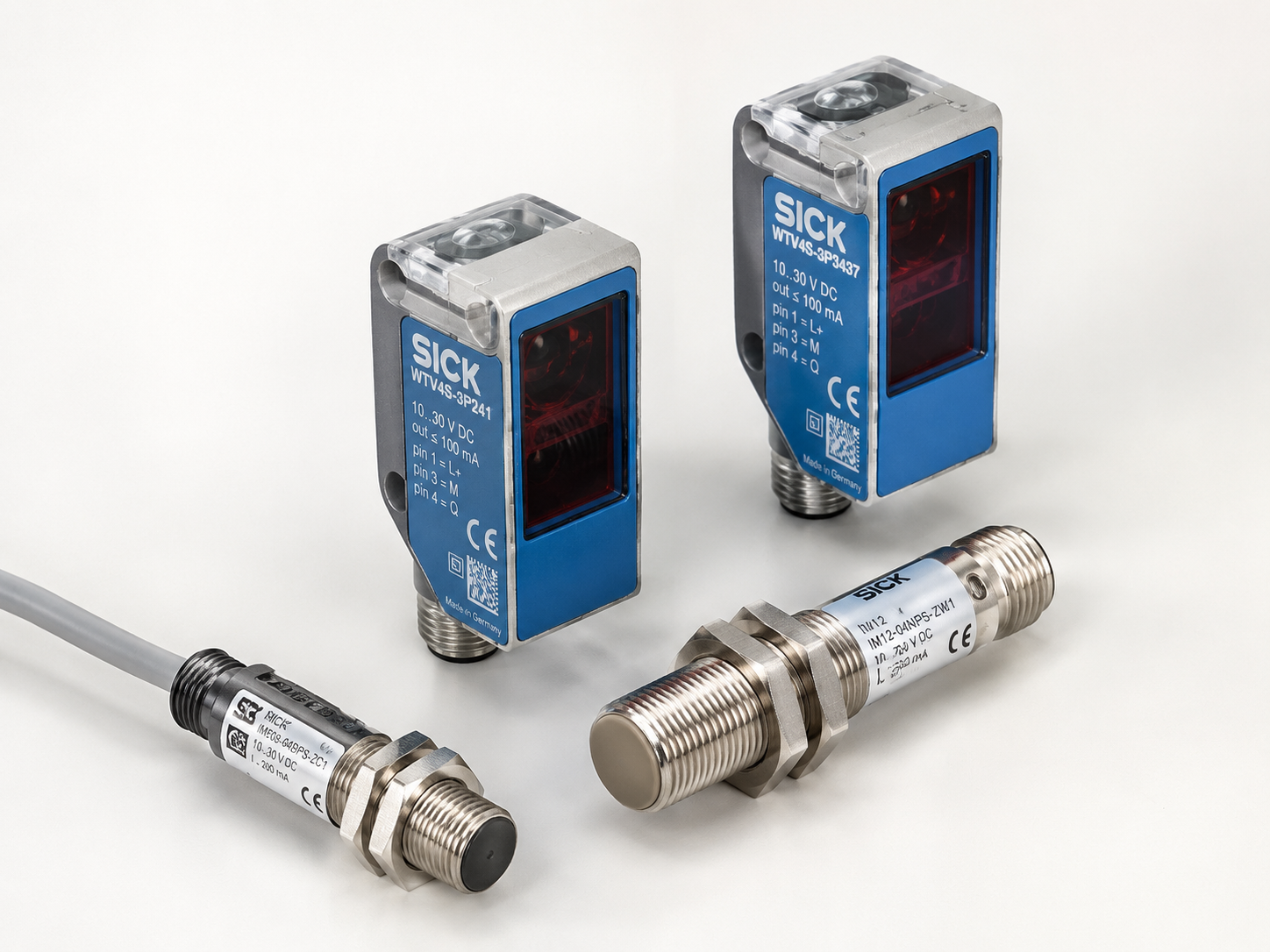
Inductive sensors are commonly used for detecting metallic objects, while capacitive sensors can detect a wider range of materials.
Photoelectric Sensors
Photoelectric sensors use light to identify objects, measure presence, or monitor production processes.
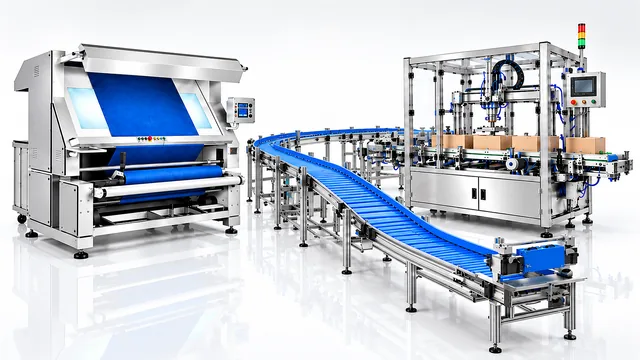
They are widely used on conveyors, packaging machines, assembly lines, and material-handling systems.
Pressure and Temperature Sensors
Pressure sensors monitor compressed air, hydraulic systems, liquids, and industrial processes.
Temperature sensors help protect machinery and maintain correct process conditions.
Selecting the Correct Sensor
The correct sensor depends on the object being detected, sensing distance, environmental conditions, output type, supply voltage, installation space, and PLC compatibility.
Industrial environments may also require sensors resistant to moisture, dust, vibration, chemicals, or high temperatures.
Sensor Integration
Sensors typically send digital or analog signals to a PLC. The PLC processes those signals and determines how the machine should respond.
Reliable sensor selection and installation improve automation accuracy, reduce unexpected downtime, and provide better control over industrial processes.